← Blog from Guindo Design, Strategic Digital Product Design
Lessons from the Holy Family for product design
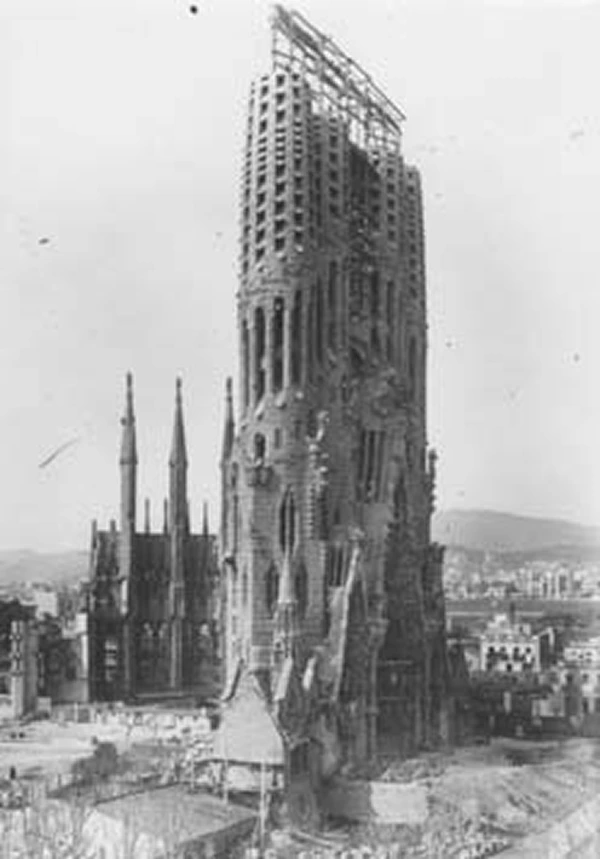
When in 1883 Antoni Gaudí was commissioned to continue the recently begun work on the church of The Holy Family, Instead of defining the project as a whole and starting to raise the height of the building (i.e. starting with the foundations), he chose to sketch out the temple in its entirety and build only one of the façades, the Nativity façade, leaving the details of the cathedral “open” to future generations.
The consequence of this decision is that the Nativity façade is so spectacular that it has served as a continuous stimulus for all those involved in the project.
Similarly, in the development of a software or digital product, the use of high-definition prototypes not only has a practical character to define the project in more detail, but also has a high stimulus component to motivate the whole team, making the final result more tangible, and demonstrating that the effort is worthwhile.
- First “star” functionalities”like the Nativity façade, implementing the most visible or impactful functions first generates enthusiasm and keeps the vision clear.
- Initial metrics dashboardsShowing user data, usability tests or early developments works as a showcase that inspires confidence and direction.
- Product simulations or demosEven before full functionality is implemented, a convincing demonstration can convey the full vision and keep developers, designers and stakeholders aligned.
The lesson is that partial but significant visibility of the outcome can be more powerful than completing every detail from scratch. Showing something that inspires and guides the team creates momentum, It encourages creativity and ensures that the vision is kept alive throughout the development process.